Uncategorized
Methenolone Enanthate Injection: Complete Guide to Safe and Effective Administration
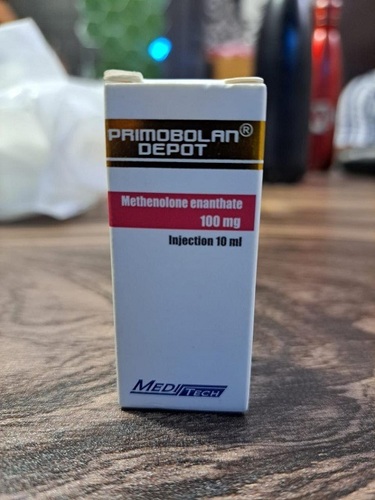
Methenolone enanthate injection technique directly impacts results, comfort, and safety when using Primobolan Depot. Proper injection methodology prevents complications like infections, abscesses, nerve damage, and excessive post-injection pain while ensuring optimal compound absorption and bioavailability.
This comprehensive guide covers everything you need to know about administering methenolone enanthate injections safely and effectively, from selecting appropriate injection sites and mastering sterile technique to managing discomfort and recognizing complications requiring medical attention.
Understanding methenolone enanthate injection
Before discussing injection technique, understanding the pharmaceutical formulation helps optimize administration.methenolone enanthate injection
Oil-Based Solution Characteristics
Methenolone enanthate comes as an oil-based injectable solution:
Typical Formulation:
- Active ingredient: Methenolone enanthate (100mg/ml standard)
- Carrier oil: Usually grape seed oil, cottonseed oil, or sesame oil
- Benzyl alcohol: Preservative (typically 2%)methenolone enanthate injection
- Benzyl benzoate: Solvent helping compound dissolution (typically 15-20%)
Physical Properties:
- Clear to slightly yellow viscous liquid
- Relatively thin oil (compared to high-concentration solutions)
- Stable at room temperature
- Should contain no visible particles or cloudiness
Why Oil-Based Formulations?
Prolonged Release: Oil-based carriers create depot effect—the compound gradually releases from injection site over days, extending effective duration and reducing injection frequency.
Ester Function: The enanthate ester attaches to methenolone, making it lipophilic (fat-soluble). This fat solubility allows suspension in oil carriers and gradual release after injection.
Practical Benefit: The 10.5-day half-life from oil-based formulation allows once or twice weekly injections rather than daily administration required for water-based solutions.methenolone enanthate injection
Standard Concentrations
Most Common: 100mg/ml represents the standard pharmaceutical and underground laboratory concentration.
Alternative Concentrations:
- 200mg/ml: Higher concentration reducing injection volume
- 150mg/ml: Intermediate option methenolone enanthate injection
Concentration Considerations: Higher concentrations sometimes create more post-injection pain due to increased solvent requirements. The 100mg/ml standard generally provides optimal comfort-to-convenience ratio.
Essential Injection Supplies
Proper equipment ensures safe, comfortable administration.
Syringes
Recommended Size:
- 3ml syringe: Optimal for most injections (accommodates 1-3ml comfortably)
- 1ml syringe: Acceptable for small doses (0.5-1ml)
- 5ml syringe: Useful for larger volumes (2-4ml)
Type: Luer-lock syringes prove superior to slip-tip designs. The locking mechanism prevents needle detachment during injection—a critical safety feature.methenolone enanthate injection
Quality: Use medical-grade sterile syringes from reputable suppliers. Never reuse syringes—single-use only.
Needles
Drawing Needles (18-20 gauge): Larger bore needles draw thick oil efficiently from vials without excessive force.methenolone enanthate injection
Injection Needles: Size depends on injection site and individual factors:
Standard Intramuscular:
- 23 gauge, 1-1.5 inch: Most common for glute/quad injections
- 25 gauge, 1 inch: Thinner option for less discomfort
- 27 gauge, 0.5-1 inch: Subcutaneous or very shallow IM
Site-Specific Recommendations:
- Glutes: 23-25g, 1.5 inch
- Quads: 23-25g, 1-1.25 inch
- Delts: 25g, 1 inch
- Ventrogluteal: 23-25g, 1.25-1.5 inch
Needle Quality: Sharp, sterile needles reduce pain and tissue trauma. Never reuse needles—bacteria colonization and dulling create infection risks and increased discomfort.
Sterilization Supplies
Alcohol Swabs: 70% isopropyl alcohol pre-packaged swabs for skin and vial top sterilization.
Alternative: 70% isopropyl alcohol with sterile cotton balls (less convenient than pre-packaged swabs).
Important: Allow alcohol to dry completely (30-60 seconds) before injection. Injecting through wet alcohol pushes alcohol into tissue creating unnecessary burning.
Additional Supplies
Sharps Container: Proper needle disposal prevents accidental needle sticks and environmental contamination. Never dispose of needles in regular trash.
Bandages: Small adhesive bandages cover injection sites post-administration.
Gloves (Optional): Sterile or clean gloves reduce contamination risks, though not absolutely necessary if proper hand washing occurs.
Mirror: Helpful for visualizing certain injection sites (glutes particularly).
Safe Injection Site Selection
Choosing appropriate sites distributes injection trauma, maximizes comfort, and prevents complications.
Gluteus Medius (Glutes)
Location: Upper outer quadrant of buttocks. Divide each buttock into four quadrants—inject into upper outer section.
Advantages:
- Large muscle mass accommodating substantial volumes (up to 3ml comfortably)
- Generally less painful than other sites
- Lower nerve and blood vessel density in safe zone
- Comfortable for most users
Technique: Stand with weight on opposite leg, relaxing injection-side glute. Locate injection site in upper outer quadrant, ensuring proper positioning avoiding sciatic nerve.
Cautions: Improper positioning risks sciatic nerve damage. Always use upper outer quadrant, never center or lower areas.
Frequency: Rotate between left and right glutes allowing 7+ days recovery between same-site injections.
Ventrogluteal (Hip)
Location: Located on the side of hip. Place palm of opposite hand on hip with fingers pointing toward groin—injection site sits in the triangle formed.
Advantages:
- Extremely safe (minimal nerves and blood vessels)
- Many experts consider this the safest IM injection site
- Accommodates 2-3ml comfortably
- Relatively painless
Technique: Place hand as described creating anatomical landmark. Inject into muscular area within palm contact zone.
Considerations: Some users find this site awkward for self-injection though technique becomes natural with practice.
Frequency: Alternate sides allowing weekly recovery minimum.
Vastus Lateralis (Outer Thigh)
Location: Outer portion of thigh, middle third between knee and hip.
Advantages:
- Easy visualization and access
- Good for self-injection
- Accommodates 2-3ml
- Relatively safe from major vessels/nerves
Disadvantages:
- Higher pain potential versus glutes
- More prone to post-injection soreness
- Some users experience temporary limping
Technique: Sit with leg slightly bent. Locate middle third of outer thigh. Inject perpendicular to skin surface.
Frequency: Rotate between legs with 7-10 day intervals between same-leg injections.
Deltoid (Shoulder)
Location: Thick part of shoulder muscle, typically 1-2 inches below acromion (bony shoulder top).
Advantages:
- Extremely easy access and visualization
- Quick, convenient injection
- Minimal preparation needed
Limitations:
- Small muscle accommodating only 1-2ml maximum
- Higher pain potential
- More visible injection marks (aesthetic consideration)
- Proximity to radial nerve requires careful positioning
Technique: Relax arm completely (tension increases pain). Locate thick deltoid portion away from bone. Use shorter needle (1 inch maximum).
Frequency: Alternate shoulders with 10-14 day recovery between same-shoulder injections.
Recommendation: Reserve deltoids for smaller injection volumes (under 2ml). Use larger sites for methenolone enanthate when injecting 2ml+ volumes.
Rotation Schedule
Importance: Rotating sites prevents scar tissue buildup, reduces cumulative trauma, and minimizes long-term complications.
Sample 8-Site Rotation:
- Left glute
- Right glute
- Left ventrogluteal
- Right ventrogluteal
- Left quad
- Right quad
- Left deltoid
- Right deltoid
Twice-Weekly Injection Example:
- Monday: Left glute
- Thursday: Right ventrogluteal
- Following Monday: Left quad
- Following Thursday: Right glute
- Continue rotation…
Benefits: Each site receives 28+ days recovery before re-injection, preventing tissue damage accumulation.
Step-by-Step Injection Protocol
Following systematic procedures ensures safety and effectiveness.
Preparation Phase
1. Gather All Supplies: Collect syringe, draw needle, injection needle, alcohol swabs, methenolone vial, sharps container, and bandages.
2. Hand Washing: Wash hands thoroughly with soap and water for 20+ seconds. Dry with clean towel. Alternatively, use alcohol-based hand sanitizer.
3. Workspace Setup: Use clean, flat surface. Lay out supplies within easy reach. Avoid bathroom counters (higher bacteria levels).
4. Vial Inspection: Examine methenolone vial for particles, cloudiness, or discoloration. Any abnormalities indicate potential contamination—discard questionable products.
5. Mental Preparation: Relax and breathe normally. Tension increases pain perception and muscle tightness complicating injection.
Drawing Medication
1. Vial Top Sterilization: Wipe vial rubber stopper with alcohol swab. Allow 30 seconds drying time.
2. Draw Needle Attachment: Attach 18-20 gauge draw needle to syringe securely (Luer-lock preferred).
3. Air Drawing: Pull syringe plunger drawing air equal to intended dose volume (if drawing 2ml medication, draw 2ml air).
4. Air Injection: Insert draw needle through vial stopper. Inject air into vial creating positive pressure facilitating easier drawing.
5. Inversion and Drawing: Invert vial (needle pointing upward). Pull plunger slowly drawing slightly more than needed dose.
6. Bubble Removal: Tap syringe gently moving bubbles upward. Push plunger slowly expelling air until reaching exact dose.
7. Needle Change: Remove draw needle, replace with smaller injection needle. Never inject with large draw needles—they create unnecessary tissue trauma.
Critical Safety: Never draw medication with the needle you’ll use for injection. Drawing dulls needles increasing injection pain.
Site Preparation
1. Site Selection: Choose injection site following rotation schedule.
2. Positioning: Position body allowing muscle relaxation. Tension increases pain and complicates needle insertion.
3. Site Sterilization: Wipe injection site with alcohol swab in circular motion from center outward. Allow complete drying (30-60 seconds minimum).
4. Final Visual Check: Inspect syringe confirming correct dose, no bubbles, and needle firmly attached.
Injection Execution
1. Skin Stretching: Use non-injection hand stretching skin taut over injection site. This technique (Z-track method) reduces leakage and post-injection discomfort.
2. Needle Insertion: Hold syringe like a dart. Insert needle in single smooth motion at 90-degree angle (perpendicular to skin).
Depth: Insert fully for standard intramuscular injection. Needle should penetrate to hub (plastic base).
3. Aspiration (Optional): Pull plunger back slightly checking for blood. Blood presence indicates vessel puncture—withdraw needle, choose new site.
Current Perspective: Many experts now consider aspiration unnecessary for most IM injections. Follow personal preference or medical guidance.
4. Injection: Push plunger slowly and steadily. Inject at approximately 10 seconds per ml (20 seconds for 2ml).
Why Slow: Rapid injection creates more post-injection pain by forcefully distending tissue. Slow administration allows gradual tissue accommodation.
5. Needle Withdrawal: After complete injection, wait 5-10 seconds allowing medication settling. Withdraw needle in single smooth motion.
6. Site Pressure: Apply gentle pressure with clean alcohol swab or gauze. Don’t rub—rubbing increases irritation and medication dispersion.
7. Bandage Application: Apply small adhesive bandage if desired.
Post-Injection Procedures
1. Needle Disposal: Immediately place entire syringe/needle assembly in sharps container. Never recap needles (needle-stick risk).
2. Supply Disposal: Discard used alcohol swabs and packaging appropriately.
3. Hand Washing: Wash hands again removing any medication residue.
4. Site Monitoring: Check injection site over following hours/days for unusual swelling, redness, heat, or pain suggesting complications.
5. Documentation: Record injection date, site, and dose maintaining rotation awareness and cycle tracking.
Managing Post-Injection Pain and Discomfort
Some discomfort proves normal though excessive pain indicates problems.
Normal Post-Injection Soreness
Expected Symptoms:
- Mild to moderate soreness at injection site
- Onset 2-12 hours post-injection
- Duration 24-72 hours typically
- Improves with gentle movement and warmth
Mechanism: Tissue trauma from needle insertion, oil volume stretching tissue, and localized inflammatory response create temporary discomfort.
Management:
- Gentle massage (circular motion, 5-10 minutes)
- Heat application (warm compress 15-20 minutes several times daily)
- Light activity and stretching
- Over-the-counter pain relievers (ibuprofen, acetaminophen)
- Patience—most soreness resolves within 2-3 days
Reducing Injection Pain
Prevention Strategies:
Warm the Oil: Roll vial between palms 30-60 seconds before drawing. Warm oil flows more easily creating less tissue distension.
Caution: Don’t overheat. Body temperature warmth proves sufficient—never microwave or apply external heat sources.
Slow Injection: Inject slowly (10+ seconds per ml) allowing gradual tissue accommodation.
Relaxed Muscles: Ensure complete muscle relaxation. Tension during injection creates significantly more pain.
Sharp Needles: Always use new, sharp needles. Dull needles tear rather than pierce tissue.
Proper Depth: Ensure full intramuscular penetration. Subcutaneous injection of oil-based compounds creates more pain than proper IM administration.
Z-Track Technique: Skin stretching prevents medication leakage reducing post-injection irritation.
Concerning Pain Requiring Attention
Warning Signs:
Severe Pain: Extreme pain during injection suggests nerve contact. Withdraw immediately, choose different site.
Increasing Pain: Pain worsening over 48+ hours rather than improving suggests potential infection or abscess.
Radiating Pain: Pain spreading down limbs indicates potential nerve irritation requiring medical evaluation.
Associated Fever: Fever combined with injection site pain suggests infection demanding immediate medical attention.
Recognizing and Managing Complications
Understanding potential problems enables appropriate responses.
Injection Site Infections
Symptoms:
- Increasing pain, redness, swelling
- Warmth at injection site
- Pus or drainage
- Fever or chills
- Red streaks extending from injection site
Causes: Poor sterilization technique, contaminated products, or immune system compromise.
Response: Seek immediate medical attention. Infections require antibiotic treatment, possibly drainage.
Prevention: Meticulous sterile technique, never reusing needles, inspecting products for contamination.
Abscesses
Description: Localized pockets of pus forming at injection sites from bacterial infection or sterile inflammatory response to contaminated products.
Symptoms:
- Painful, swollen lump at injection site
- Warmth and redness
- Possible fever
- Fluctuant (movable) fluid-filled sensation
Response: Medical evaluation required. Treatment involves antibiotics and possible surgical drainage.
Prevention: Sterile technique, rotating sites preventing repeated trauma, quality products from verified sources.
Nerve Damage
Symptoms:
- Sharp, shooting pain during injection
- Numbness or tingling
- Weakness in affected limb
- Prolonged pain radiating from injection site
Response: Withdraw needle immediately if sharp pain occurs during injection. Seek medical evaluation if symptoms persist beyond 24 hours.
Most nerve contact creates temporary symptoms resolving within hours to days. Permanent damage proves rare with proper technique.
Prevention: Use anatomically safe injection sites, avoid improper positioning, never inject into areas of sharp pain.
Oil Embolism (Extremely Rare)
Description: Oil entering bloodstream, potentially traveling to lungs.
Symptoms:
- Immediate chest pain or difficulty breathing
- Coughing
- Rapid heart rate
- Anxiety
Response: Seek emergency medical attention immediately.
Prevention: Aspiration before injection (pulling plunger checking for blood), proper injection technique, never injecting into visible veins.
Reality: Oil embolism proves extremely rare with proper intramuscular technique but represents most serious potential complication.
Hematoma Formation
Description: Blood pooling under skin from vessel damage during injection.
Symptoms:
- Bruising at injection site
- Swelling
- Tenderness
- Possible discoloration
Management:
- Apply ice immediately post-injection (if suspected)
- Avoid massage or heat initially
- Allow natural resolution (7-14 days typically)
- Monitor for increasing pain suggesting complications
Prevention: Avoid visible veins when selecting injection sites, use proper needle size, minimize tissue trauma.
Special Considerations
Certain situations require modified approaches.
First-Time Injectors
Recommendations:
Education: Watch instructional videos, read comprehensive guides, understand anatomy.
Assistance: Consider having experienced individual demonstrate technique or assist with first injection.
Conservative Approach: Start with easiest sites (glutes or ventrogluteal), use moderate doses, prioritize safety over speed.
Expect Anxiety: First injection anxiety proves normal. Deep breathing, proper preparation, and knowledge reduce nervousness.
High-Volume Injections
Definition: Injecting 3ml+ volumes.
Challenges: Larger volumes create more post-injection discomfort and require careful site selection.
Strategies:
- Use largest injection sites (glutes, ventrogluteal)
- Inject extremely slowly (15+ seconds per ml)
- Consider splitting dose across multiple sites
- Warm oil thoroughly
- Expect increased soreness (normal for volume)
Maximum Recommendations:
- Glutes: 3-4ml maximum
- Ventrogluteal: 3ml maximum
- Quads: 2-3ml maximum
- Delts: 1-2ml maximum (avoid high volumes here)
Traveling With Injectable Medications
Practical Considerations:
Legality: Methenolone remains controlled substance in most jurisdictions. International travel with injectable steroids creates serious legal risks.
Realistic Approach: Time cycles avoiding travel needs when possible. If absolutely necessary: