
Blog
Is Sustanon 250 Safe? A Complete, Evidence-Based Guide
Introduction: Why People Ask “Is Sustanon 250 Safe?”
Sustanon 250 is one of the most talked-about testosterone injections in the world. The name appears in medical discussions, online forums, and search results related to low testosterone. Because it affects hormones that influence nearly every system in the body, safety becomes the most important question.
Many people hear mixed opinions. Some say Sustanon 250 changed their life for the better. Others warn about side effects and long-term risks. Both views exist because Sustanon 250 can be helpful in the right medical context and harmful when used incorrectly.
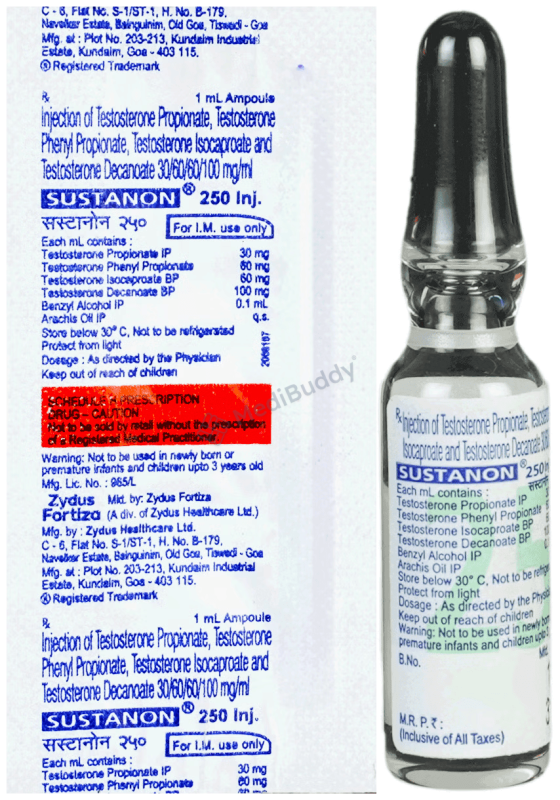
This guide answers the question “Is Sustanon 250 safe?” clearly and responsibly. It explains how Sustanon 250 works, who it is designed for, what risks exist, and how doctors manage those risks. The goal is understanding, not promotion.
What Is Sustanon 250?
Is Sustanon 250 safe is a prescription testosterone medication. It contains 250 mg of testosterone per milliliter, delivered through an intramuscular injection. The “250” refers to the total testosterone content, not the dose a person should use.Is Sustanon 250 safe
What makes Sustanon unique is its blend of four testosterone esters:
- Testosterone propionate
- Testosterone phenylpropionate
- Testosterone isocaproate
- Testosterone decanoate
Each ester releases testosterone at a different rate. Together, they provide both short-term and long-lasting hormone release. This design helps maintain more stable testosterone levels compared to single-ester injections.
Sustanon 250 was developed for testosterone replacement therapy (TRT), not for bodybuilding or performance enhancement.
How Sustanon 250 Works in the Body
To understand safety, you must understand how Sustanon 250 interacts with the body.
Once injected, testosterone enters the bloodstream and binds to androgen receptors. These receptors exist in muscles, bones, the brain, reproductive organs, and other tissues. Activation of these receptors influences strength, energy, libido, mood, and metabolism.
However, the body also uses a feedback system. When external testosterone increases:
- The brain reduces luteinizing hormone (LH)
- The testes reduce natural testosterone production
- Sperm production may decline
This feedback loop explains many of the benefits and risks associated with Sustanon 250.
Approved Medical Uses of Sustanon 250
Is Sustanon 250 safe is considered safe when prescribed and monitored by a healthcare professional for specific medical conditions.Is Sustanon 250 safe
Doctors prescribe it for:
- Primary hypogonadism (testicular dysfunction)
- Secondary hypogonadism (pituitary or hypothalamic disorders)
- Testosterone deficiency confirmed by blood tests
In these cases, the goal is to restore testosterone to a normal physiological range. Doctors do not aim to exceed natural levels.Is Sustanon 250 safe
Medical supervision includes:
- Baseline bloodwork
- Hormone monitoring
- Cardiovascular risk assessment
- Ongoing dose adjustments
Under these conditions, Is Sustanon 250 safe improves significantly.
Is Sustanon 250 Safe When Used Medically?
For men with diagnosed testosterone deficiency, Is Sustanon 250 safe is generally considered safe and effective when used under medical supervision.
Safety comes from:
- Correct dosing
- Regular blood tests
- Monitoring side effects early
- Adjusting treatment as needed
Large numbers of men worldwide receive testosterone therapy safely each year. Problems tend to arise when Is Sustanon 250 safe is used without diagnosis, supervision, or restraint.
Short-Term Side Effects of Sustanon 250
Even when used correctly, Sustanon 250 may cause side effects. These effects vary depending on dose, injection frequency, and individual sensitivity.
Common Short-Term Side Effects
- Injection site soreness
- Mild water retention
- Acne or oily skin
- Temporary mood changes
- Increased appetite
These effects often stabilize as hormone levels balance. However, persistent symptoms should always be discussed with a healthcare provider.
Hormonal Suppression and Fertility Concerns
One of the most important safety considerations involves natural testosterone suppression.
When Sustanon 250 introduces external testosterone:
- The body slows its own production
- Testicular size may decrease
- Sperm production may drop
This suppression can affect fertility. Men who want children in the future should discuss alternatives with a doctor. In many cases, testosterone therapy is not the first choice for fertility preservation.
Understanding this effect helps avoid unexpected long-term consequences.
Cardiovascular Safety: Is Sustanon 250 Bad for the Heart?
Cardiovascular health remains a major topic in testosterone safety discussions. Testosterone influences cholesterol levels, red blood cell production, and blood thickness.
Potential Cardiovascular Risks
- Increased hematocrit (red blood cell count)
- Changes in HDL and LDL cholesterol
- Increased blood viscosity
When hematocrit rises too high, blood becomes thicker. This change may increase the risk of clotting events. Doctors manage this risk through regular blood tests and dose adjustments.
Men with existing heart conditions require extra caution and specialist oversight.
Liver and Kidney Safety
Unlike oral anabolic steroids, Sustanon 250 is injectable. It does not pass directly through the liver in the same way oral steroids do. This reduces certain liver-related risks.
However, long-term hormone changes still influence metabolism. Monitoring liver and kidney markers remains part of responsible testosterone therapy.
Again, safety improves with medical supervision.
Prostate Health and Sustanon 250
Testosterone interacts closely with prostate tissue. For years, people believed testosterone therapy caused prostate cancer. Current research suggests that restoring testosterone to normal levels does not automatically increase cancer risk.
However, testosterone may stimulate growth in existing prostate conditions. Because of this:
- Doctors screen prostate health before therapy
- PSA levels are monitored during treatment
This monitoring protects long-term prostate health.
Psychological and Emotional Effects
Testosterone affects mood, motivation, and confidence. Many men with low testosterone experience mental fatigue and low drive. Restoring levels often improves these symptoms.
However, emotional responses vary. Possible effects include:
- Increased assertiveness
- Irritability if levels fluctuate
- Mood swings at excessive doses
Stable dosing schedules and regular monitoring reduce these effects significantly.
Long-Term Safety of Sustanon 250
Long-term Sustanon 250 safety depends on how it is used.
When used responsibly:
- Bloodwork tracks hormone levels
- Cardiovascular markers stay monitored
- Side effects get addressed early
When used irresponsibly:
- Risks accumulate
- Hormonal damage increases
- Cardiovascular strain rises
Testosterone therapy often becomes a long-term commitment. Stopping treatment may lead to the return of deficiency symptoms. Understanding this commitment matters before starting.Introduction: Why People Ask “Is Sustanon 250 Safe?”
Sustanon 250 is one of the most talked-about testosterone injections in the world. The name appears in medical discussions, online forums, and search results related to low testosterone. Because it affects hormones that influence nearly every system in the body, safety becomes the most important question.
Many people hear mixed opinions. Some say Sustanon 250 changed their life for the better. Others warn about side effects and long-term risks. Both views exist because Sustanon 250 can be helpful in the right medical context and harmful when used incorrectly.
This guide answers the question “Is Sustanon 250 safe?” clearly and responsibly. It explains how Sustanon 250 works, who it is designed for, what risks exist, and how doctors manage those risks. The goal is understanding, not promotion.
What Is Sustanon 250?
Sustanon 250 is a prescription testosterone medication. It contains 250 mg of testosterone per milliliter, delivered through an intramuscular injection. The “250” refers to the total testosterone content, not the dose a person should use.
What makes Sustanon unique is its blend of four testosterone esters:
- Testosterone propionate
- Testosterone phenylpropionate
- Testosterone isocaproate
- Testosterone decanoate
Each ester releases testosterone at a different rate. Together, they provide both short-term and long-lasting hormone release. This design helps maintain more stable testosterone levels compared to single-ester injections.
Sustanon 250 was developed for testosterone replacement therapy (TRT), not for bodybuilding or performance enhancement.
How Sustanon 250 Works in the Body
To understand safety, you must understand how Sustanon 250 interacts with the body.
Once injected, testosterone enters the bloodstream and binds to androgen receptors. These receptors exist in muscles, bones, the brain, reproductive organs, and other tissues. Activation of these receptors influences strength, energy, libido, mood, and metabolism.
However, the body also uses a feedback system. When external testosterone increases:
- The brain reduces luteinizing hormone (LH)
- The testes reduce natural testosterone production
- Sperm production may decline
This feedback loop explains many of the benefits and risks associated with Sustanon 250.
Approved Medical Uses of Sustanon 250
Sustanon 250 is considered safe when prescribed and monitored by a healthcare professional for specific medical conditions.
Doctors prescribe it for:
- Primary hypogonadism (testicular dysfunction)
- Secondary hypogonadism (pituitary or hypothalamic disorders)
- Testosterone deficiency confirmed by blood tests
In these cases, the goal is to restore testosterone to a normal physiological range. Doctors do not aim to exceed natural levels.
Medical supervision includes:
- Baseline bloodwork
- Hormone monitoring
- Cardiovascular risk assessment
- Ongoing dose adjustments
Under these conditions, Sustanon 250 safety improves significantly.
Is Sustanon 250 Safe When Used Medically?
For men with diagnosed testosterone deficiency, Sustanon 250 is generally considered safe and effective when used under medical supervision.
Safety comes from:
- Correct dosing
- Regular blood tests
- Monitoring side effects early
- Adjusting treatment as needed
Large numbers of men worldwide receive testosterone therapy safely each year. Problems tend to arise when Sustanon 250 is used without diagnosis, supervision, or restraint.
Short-Term Side Effects of Sustanon 250
Even when used correctly, Sustanon 250 may cause side effects. These effects vary depending on dose, injection frequency, and individual sensitivity.
Common Short-Term Side Effects
- Injection site soreness
- Mild water retention
- Acne or oily skin
- Temporary mood changes
- Increased appetite
These effects often stabilize as hormone levels balance. However, persistent symptoms should always be discussed with a healthcare provider.
Hormonal Suppression and Fertility Concerns
One of the most important safety considerations involves natural testosterone suppression.
When Sustanon 250 introduces external testosterone:
- The body slows its own production
- Testicular size may decrease
- Sperm production may drop
This suppression can affect fertility. Men who want children in the future should discuss alternatives with a doctor. In many cases, testosterone therapy is not the first choice for fertility preservation.
Understanding this effect helps avoid unexpected long-term consequences.
Cardiovascular Safety: Is Sustanon 250 Bad for the Heart?
Cardiovascular health remains a major topic in testosterone safety discussions. Testosterone influences cholesterol levels, red blood cell production, and blood thickness.
Potential Cardiovascular Risks
- Increased hematocrit (red blood cell count)
- Changes in HDL and LDL cholesterol
- Increased blood viscosity
When hematocrit rises too high, blood becomes thicker. This change may increase the risk of clotting events. Doctors manage this risk through regular blood tests and dose adjustments.
Men with existing heart conditions require extra caution and specialist oversight.
Liver and Kidney Safety
Unlike oral anabolic steroids, Sustanon 250 is injectable. It does not pass directly through the liver in the same way oral steroids do. This reduces certain liver-related risks.
However, long-term hormone changes still influence metabolism. Monitoring liver and kidney markers remains part of responsible testosterone therapy.
Again, safety improves with medical supervision.
Prostate Health and Sustanon 250
Testosterone interacts closely with prostate tissue. For years, people believed testosterone therapy caused prostate cancer. Current research suggests that restoring testosterone to normal levels does not automatically increase cancer risk.
However, testosterone may stimulate growth in existing prostate conditions. Because of this:
- Doctors screen prostate health before therapy
- PSA levels are monitored during treatment
This monitoring protects long-term prostate health.
Psychological and Emotional Effects
Testosterone affects mood, motivation, and confidence. Many men with low testosterone experience mental fatigue and low drive. Restoring levels often improves these symptoms.
However, emotional responses vary. Possible effects include:
- Increased assertiveness
- Irritability if levels fluctuate
- Mood swings at excessive doses
Stable dosing schedules and regular monitoring reduce these effects significantly.
Long-Term Safety of Sustanon 250
Long-term Sustanon 250 safety depends on how it is used.
When used responsibly:
- Bloodwork tracks hormone levels
- Cardiovascular markers stay monitored
- Side effects get addressed early
When used irresponsibly:
- Risks accumulate
- Hormonal damage increases
- Cardiovascular strain rises
Testosterone therapy often becomes a long-term commitment. Stopping treatment may lead to the return of deficiency symptoms. Understanding this commitment matters before starting.
Is Sustanon 250 Safe for Non-Medical Use?
Safety decreases sharply when Sustanon 250 is used without medical guidance.
Non-medical use often involves:
- Excessive dosing
- Lack of blood tests
- Ignoring side effects
- Combining multiple hormones
These practices significantly increase the risk of cardiovascular issues, fertility problems, and long-term hormonal disruption.
Medical use focuses on balance. Non-medical use often ignores balance entirely.
Who Should Avoid Sustanon 250?
Sustanon 250 may not be appropriate for:
- Men without confirmed testosterone deficiency
- Individuals with uncontrolled cardiovascular disease
- Men with certain prostate conditions
- Those unwilling to commit to regular monitoring
A medical evaluation determines suitability. Self-diagnosis does not replace professional assessment.
Lifestyle Factors That Improve Safety
Even with medication, lifestyle matters.
Nutrition
Balanced nutrition supports cholesterol health and metabolic balance.
Exercise
Resistance training improves testosterone utilization and overall outcomes.
Sleep
Poor sleep reduces benefits and increases side effects.
Stress Management
Chronic stress raises cortisol, which counteracts testosterone’s effects.
Medication alone never replaces healthy habits.
Common Myths About Sustanon 250 Safety
Myth 1: Sustanon 250 is unsafe for everyone
Reality: Under medical supervision, many men use it safely.
Myth 2: Higher doses are more effective
Reality: Excess doses increase risk without added benefit.
Myth 3: Side effects are unavoidable
Reality: Monitoring and proper dosing reduce side effects significantly.
How Doctors Keep Sustanon 250 Safe
Doctors use several strategies:
- Start with conservative doses
- Monitor bloodwork regularly
- Adjust treatment based on response
- Address side effects early
This structured approach transforms Sustanon 250 from a risk into a controlled therapy.
Alternatives to Sustanon 250
Some men may benefit from alternatives:
- Lifestyle changes
- Nutritional support
- Medications that stimulate natural testosterone production
Discussing options ensures the safest, most effective approach.
Conclusion: Is Sustanon 250 Safe?
So, is Sustanon 250 safe? The answer depends on context.
When prescribed by a doctor, monitored properly, and used for legitimate medical reasons, Sustanon 250 is generally considered safe and effective. It can improve energy, mood, bone density, and quality of life in men with testosterone deficiency.
When used without diagnosis, supervision, or restraint, risks increase significantly. Testosterone affects nearly every system in the body. Because of that reach, it demands respect, education, and professional guidance.
Understanding how Sustanon 250 works, what risks exist, and how those risks are managed empowers better decisions and safer outcomes.
Frequently Asked Questions (FAQs)
1. Is Sustanon 250 safe with a prescription?
Yes. When prescribed and monitored, many men use it safely.
2. Does Sustanon 250 stop natural testosterone production?
It suppresses production during use, but recovery may occur after stopping, depending on individual factors.
3. Can Sustanon 250 affect heart health?
It can influence cardiovascular markers, which is why monitoring is essential.
4. Is Sustanon 250 safer than oral steroids?
Injectable testosterone avoids certain liver risks associated with oral steroids.
5. Should blood tests be done while using Sustanon 250?
Yes. Bloodwork is essential for safety and effectiveness.
Please don’t forget to leave a review.
Is Sustanon 250 Safe for Non-Medical Use?
Safety decreases sharply when Sustanon 250 is used without medical guidance.
Non-medical use often involves:
- Excessive dosing
- Lack of blood tests
- Ignoring side effects
- Combining multiple hormones
These practices significantly increase the risk of cardiovascular issues, fertility problems, and long-term hormonal disruption.
Medical use focuses on balance. Non-medical use often ignores balance entirely.
Who Should Avoid Sustanon 250?
Sustanon 250 may not be appropriate for:
- Men without confirmed testosterone deficiency
- Individuals with uncontrolled cardiovascular disease
- Men with certain prostate conditions
- Those unwilling to commit to regular monitoring
A medical evaluation determines suitability. Self-diagnosis does not replace professional assessment.
Lifestyle Factors That Improve Safety
Even with medication, lifestyle matters.
Nutrition
Balanced nutrition supports cholesterol health and metabolic balance.
Exercise
Resistance training improves testosterone utilization and overall outcomes.
Sleep
Poor sleep reduces benefits and increases side effects.
Stress Management
Chronic stress raises cortisol, which counteracts testosterone’s effects.
Medication alone never replaces healthy habits.
Common Myths About Sustanon 250 Safety
Myth 1: Sustanon 250 is unsafe for everyone
Reality: Under medical supervision, many men use it safely.
Myth 2: Higher doses are more effective
Reality: Excess doses increase risk without added benefit.
Myth 3: Side effects are unavoidable
Reality: Monitoring and proper dosing reduce side effects significantly.
How Doctors Keep Sustanon 250 Safe
Doctors use several strategies:
- Start with conservative doses
- Monitor bloodwork regularly
- Adjust treatment based on response
- Address side effects early
This structured approach transforms Sustanon 250 from a risk into a controlled therapy.
Alternatives to Sustanon 250
Some men may benefit from alternatives:
- Lifestyle changes
- Nutritional support
- Medications that stimulate natural testosterone production
Discussing options ensures the safest, most effective approach.
Conclusion: Is Sustanon 250 Safe?
So, is Sustanon 250 safe? The answer depends on context.
When prescribed by a doctor, monitored properly, and used for legitimate medical reasons, Sustanon 250 is generally considered safe and effective. It can improve energy, mood, bone density, and quality of life in men with testosterone deficiency.
When used without diagnosis, supervision, or restraint, risks increase significantly. Testosterone affects nearly every system in the body. Because of that reach, it demands respect, education, and professional guidance.
Understanding how Sustanon 250 works, what risks exist, and how those risks are managed empowers better decisions and safer outcomes.
Frequently Asked Questions (FAQs)
1. Is Sustanon 250 safe with a prescription?
Yes. When prescribed and monitored, many men use it safely.
2. Does Sustanon 250 stop natural testosterone production?
It suppresses production during use, but recovery may occur after stopping, depending on individual factors.
3. Can Sustanon 250 affect heart health?
It can influence cardiovascular markers, which is why monitoring is essential.
4. Is Sustanon 250 safer than oral steroids?
Injectable testosterone avoids certain liver risks associated with oral steroids.
5. Should blood tests be done while using Sustanon 250?
Yes. Bloodwork is essential for safety and effectiveness.
Please don’t forget to leave a review.
