


Growth Hormone Test Kit: A Complete Educational Guide
Interest in the growth hormone test kit has increased as awareness of hormonal health continues to grow. Human growth hormone (HGH) plays a central role in metabolism, tissue repair, growth, and overall physical function. Because of this importance, accurate testing remains essential in clinical and research settings.
However, confusion often surrounds growth hormone testing. Many people misunderstand what test kits measure, how results should be interpreted, and when professional evaluation becomes necessary. This guide provides clear, medically grounded information to replace speculation with understanding.
Growth Hormone Test detail
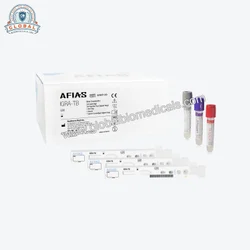
Collection method: SST Serum (locate the closest collection center using the tool further down)
Test time: About 7 business days.
Express Post: Yes, tracking included.
Referral: Provided.
GH Test Results are fairly simple, but do include the following:
-
- result coded [colour] graph,
- comparison benchmarks,
- brief advice in cases where an irregular result is revealed.
Why use this Test?
This test may be of use when investigating possible growth hormone deficiency. For some, the test is used to satisfy a basic curiosity. It can also be helpful when tracking the changes during commencement or cessation of growth hormone therapy.
Important: Detection and measurement of human growth hormone is achieved using this test. Growth hormone deficiency, should it be revealed, will be highlighted in the test result summary along with tailored advice. For men under 50 years of age, serious growth hormone deficiency must be investigated with the assistance of your GP.
Simple 2 step process:
- Purchase test. Sent via Express Post same day Mon-Fri, <5PM AEST. Tracking number available on request.
- Head to the nearest collection centre and show them your paperwork.
Test results are sent by secure .PDF to your designated email address.
Order NOW for EXPRESS Delivery!
Collection Centres: Locate the Collection Centre nearest to you by using the search tool – Closest Clinic To Me.
Growth Hormone Deficiency | Some facts
Production of Growth Hormone varies between individuals but declines with age. Growth hormone deficiency is common in the 50+ age range. By 60, most individuals will have a mere 25% of the GH they did at the age of 20. And while not so surprising, around half of all 80 yo’s do not have detectable growth hormone.
What Is Human Growth Hormone?
Human growth hormone is a peptide hormone produced by the pituitary gland. It influences numerous physiological processes throughout life, not only during childhood growth.
Key functions of growth hormone include:
-
Supporting bone density
-
Regulating body composition
-
Promoting muscle tissue maintenance
-
Influencing fat metabolism
-
Supporting cellular repair
Because HGH secretion fluctuates throughout the day, measuring it accurately presents unique challenges.
Why Growth Hormone Testing Matters
Growth hormone imbalance may affect both physical and metabolic health. Clinicians use growth hormone testing to help investigate:
-
Growth disorders in children
-
Suspected hormone deficiency in adults
-
Pituitary gland dysfunction
-
Certain metabolic or endocrine conditions
Therefore, reliable testing plays a critical role in medical decision-making.
What Is a Growth Hormone Test Kit?
A growth hormone test kit refers to a diagnostic tool designed to detect markers related to HGH levels. These kits may analyze:
-
Blood samples
-
Saliva samples
-
Urine samples
Importantly, not all kits measure growth hormone directly. Some assess related biomarkers that reflect HGH activity over time.
Direct vs Indirect Growth Hormone Measurement
Understanding what a test measures is essential.
Direct Measurement
Direct tests attempt to measure circulating growth hormone in the blood. However, HGH secretion occurs in pulses, which makes single measurements unreliable.
Indirect Measurement
For this reason, many test kits focus on:
-
IGF-1 (Insulin-like Growth Factor 1)
-
IGFBP-3 (Insulin-like Growth Factor Binding Protein 3)
These markers remain more stable throughout the day and better reflect average growth hormone activity.
Types of Growth Hormone Test Kits
Several testing formats exist, each with different applications.
Blood-Based Test Kits
Blood testing remains the clinical standard. These kits usually require:
-
Venous blood draw or finger-prick sample
-
Laboratory analysis
Blood-based kits provide the most reliable data when used under medical supervision.
Saliva-Based Test Kits
Saliva kits offer convenience and non-invasive collection. However:
-
HGH concentration in saliva is low
-
Results may vary widely
As a result, saliva-based kits often serve as screening tools, not diagnostic confirmation.
Urine-Based Test Kits
Urine testing evaluates hormone metabolites over time. While useful for trend observation, it does not replace blood analysis for clinical diagnosis.
How a Growth Hormone Test Kit Works
Most growth hormone test kits follow a structured process:
-
Sample collection
-
Sample stabilization
-
Laboratory or assay analysis
-
Result reporting
Each step influences accuracy. Improper collection or storage may distort results.
Why Growth Hormone Levels Fluctuate
Growth hormone secretion follows a pulsatile rhythm. Levels increase during:
-
Deep sleep
-
Intense physical activity
-
Fasting states
Conversely, levels decrease during periods of stress, aging, and chronic illness. Because of this variability, interpretation requires context.
Growth Hormone Stimulation and Suppression Tests
In clinical settings, doctors may use specialized tests alongside test kits.
Stimulation Tests
These evaluate how the pituitary responds to triggers that normally increase HGH release.
Suppression Tests
These assess whether HGH levels decrease appropriately when suppression occurs.
Growth hormone test kits alone cannot replace these procedures.
Growth Hormone Testing in Children
In pediatric medicine, growth hormone testing helps evaluate:
-
Delayed growth
-
Short stature of unknown cause
-
Suspected pituitary disorders
Because growth patterns vary widely, clinicians interpret test results alongside growth charts and imaging studies.
Growth Hormone Testing in Adults
Adult growth hormone deficiency may present differently. Symptoms may include:
-
Reduced muscle mass
-
Increased body fat
-
Fatigue
-
Reduced bone density
A growth hormone test kit may support further evaluation but rarely serves as the sole diagnostic tool.
Accuracy of Growth Hormone Test Kits
Accuracy depends on several factors:
-
Type of biomarker measured
-
Sample quality
-
Testing method
-
Laboratory standards
Blood-based IGF-1 tests typically provide the most consistent results.
Factors That Affect Test Results
Several variables influence growth hormone test outcomes:
-
Sleep quality
-
Recent exercise
-
Nutritional status
-
Stress levels
-
Age
Therefore, results require careful interpretation rather than isolated conclusions.
Understanding Reference Ranges
Test results usually include reference ranges. These ranges:
-
Vary by age and sex
-
Depend on laboratory methods
-
Reflect population averages
A value outside the range does not automatically indicate disease.
Common Reasons for Abnormal Results
Abnormal growth hormone-related markers may result from:
-
Pituitary gland disorders
-
Chronic illness
-
Malnutrition
-
Liver dysfunction
-
Hormonal imbalances
Further testing often follows an abnormal screening result.
Growth Hormone Test Kits and Medical Supervision
Although test kits provide information, medical oversight remains essential. Endocrinologists consider:
-
Symptoms
-
Medical history
-
Imaging studies
-
Additional hormone tests
This comprehensive approach ensures accurate diagnosis.
Growth Hormone Test Kits in Research Settings
Researchers use growth hormone test kits to:
-
Study aging processes
-
Investigate metabolic conditions
-
Analyze endocrine responses to interventions
In these contexts, test kits contribute to broader data sets rather than standalone conclusions.
Regulatory Standards for Test Kits
Reputable growth hormone test kits comply with:
-
Clinical laboratory standards
-
Quality control protocols
-
Regulatory oversight where applicable
Quality assurance improves reliability and reproducibility.
Growth Hormone Test Kits and Anti-Doping Programs
In sports, growth hormone detection differs from medical testing. Anti-doping agencies use:
-
Isoform tests
-
Biomarker-based detection
Standard growth hormone test kits are not designed for doping detection.
Ethical Considerations in Hormone Testing
Hormone testing raises ethical questions, including:
-
Data privacy
-
Misinterpretation risk
-
Unsupervised self-diagnosis
Education and responsible use remain critical.
Common Myths About Growth Hormone Test Kits
Myth: One test can diagnose HGH deficiency
Reality: Diagnosis requires multiple assessments
Myth: Home kits replace doctors
Reality: Kits support, not replace, medical evaluation
Limitations of Growth Hormone Test Kits
Test kits have limitations:
-
They capture a snapshot, not a full hormonal profile
-
They cannot identify structural pituitary issues
-
They may produce false positives or negatives
Understanding these limits prevents misinterpretation.
When Further Testing Is Needed
Clinicians may recommend additional evaluation when:
-
Symptoms persist
-
Results remain inconsistent
-
Risk factors are present
Imaging studies and stimulation tests may follow.
Lifestyle Factors That Influence Growth Hormone
Several lifestyle factors affect HGH production:
-
Adequate sleep
-
Balanced nutrition
-
Regular physical activity
-
Stress management
These factors often influence results more than expected.
Growth Hormone Test Kits and Aging
Growth hormone levels naturally decline with age. This decline:
-
Occurs gradually
-
Does not automatically indicate disease
-
Represents normal physiology
Testing helps distinguish normal aging from pathology.
Interpreting Results Responsibly
Responsible interpretation involves:
-
Reviewing trends over time
-
Considering symptoms
-
Consulting qualified professionals
Single data points rarely tell the full story.
Frequently Asked Questions
Can a growth hormone test kit diagnose deficiency?
No, diagnosis requires comprehensive medical evaluation.
Are IGF-1 tests more reliable than HGH tests?
Yes, IGF-1 provides a more stable indicator of HGH activity.
Do lifestyle habits affect results?
Yes, sleep, exercise, and nutrition significantly influence outcomes.
Growth hormone deficiency reported symptoms
- A higher level of body fat, especially around the waist.
- Anxiety and depression.
- Decreased sexual function and interest.
- Fatigue.
- Feelings of being isolated from other people.
- Greater sensitivity to heat and cold.
- Less muscle (lean body mass)
Technical:
- Test method: Automated Chemistry.
- ARTG: 329461
- SKU: T5001
Be the first to review “Growth Hormone Test Kit (HGH Test Kits)”
Related products

Syringes & Accessories
HGH - Growth Hormone

Syringes & Accessories
Syringes & Accessories
Syringes & Accessories
Drawing Needles

HGH - Growth Hormone

Syringes & Accessories
Reviews
There are no reviews yet.