
Uncategorized
Understanding Methenolone Enanthate 300mg – Medical Context, Risks, and Legal Status
Navigating Complex Pharmaceutical Information
When people search for specific dosage information like “Metenolone Enanthate 300mg,” they typically seek detailed pharmacological knowledge about this anabolic steroid. However, before discussing dosage specifics, we must establish crucial context: methenolone enanthate 300mg known commercially as Primobolan, is a Schedule III controlled substance in the United States. Its possession, distribution, or use without a valid prescription for approved medical conditions is illegal under federal law.
This educational guide approaches the topic from a factual, health-centered perspective. We provide pharmacological information about 300mg formulations, discuss why this dosage raises particular concerns, explain legitimate medical contexts, and explore the substantial risks associated with non-medical use. Our goal is not to facilitate use but to promote understanding and informed health decisions within appropriate legal and medical frameworks.
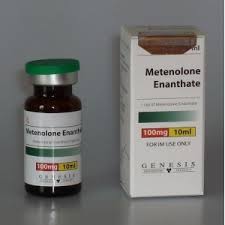
Chapter 1: Understanding Methenolone Enanthate Pharmacology
Chemical Structure and Pharmacokinetics
Metenolone Enanthate consists of the methenolone steroid base molecule attached to an enanthate ester. This esterification significantly alters the compound’s release characteristics in the human body. The enanthate ester creates a longer-acting formulation compared to the acetate version, with an elimination half-life of approximately 10-14 days. This extended activity means injections typically occur on a weekly rather than daily schedule.
The methenolone enanthate 300mg concentration represents a highly concentrated formulation. For comparison, legitimate pharmaceutical preparations historically used lower concentrations, typically 100mg/ml or less. The 300mg concentration primarily appears in underground laboratory (UGL) products rather than regulated pharmaceutical preparations. This higher concentration raises specific concerns about injection site reactions, accurate dosing, and product stability.
Mechanism of Action in the Human Body
Metenolone operates as a dihydrotestosterone (DHT) derivative, meaning it cannot aromatize into estrogen. This characteristic makes it appealing to some users concerned about estrogenic side effects like gynecomastia or water retention. However, it remains a potent androgen receptor agonist, binding to receptors in muscle tissue, bone, and other androgen-sensitive areas.methenolone enanthate 300mg
Unlike some anabolic steroids, methenolone exhibits relatively weak binding to sex hormone-binding globulin (SHBG), allowing more free circulating compound. It demonstrates a favorable anabolic-to-androgenic ratio compared to testosterone, though estimates vary widely due to limited human studies. Importantly, it still suppresses natural testosterone production through negative feedback on the hypothalamic-pituitary-gonadal axis, requiring medical management even in legitimate therapeutic contexts.
Chapter 2: The Significance of 300mg/ml Concentration
Comparison with Standard Pharmaceutical Preparations
Historically, legitimate pharmaceutical methenolone enanthate came in several concentrations:
- 25mg/ml (oral tablets, now discontinued in most countries)
- 100mg/ml (injectable, most common medical preparation)
- 200mg/ml (less common, still within pharmaceutical norms)
The methenolone enanthate 300mg concentration substantially exceeds typical medical dosing ranges. This high concentration primarily serves non-medical purposes, allowing users to administer larger doses with smaller injection volumes. However, this convenience comes with significant trade-offs in safety and tolerability.
Injection Volume and Tissue Tolerance Considerations
Higher concentration formulations create practical challenges for safe administration:
- Increased viscosity: 300mg/ml solutions are significantly thicker, making injection more difficult and potentially increasing injection pain
- Tissue irritation: Higher concentrations often cause more pronounced post-injection pain, swelling, or inflammation
- Oil volume limitations: Most injection sites tolerate only limited volumes of oil-based solutions; higher concentrations allow exceeding these limits
- Accuracy concerns: Small measurement errors with highly concentrated solutions result in larger absolute dosing errors
Medical professionals generally recommend against concentrations above 200mg/ml for intramuscular injections due to these tolerability issues. The methenolone enanthate 300mg concentration pushes beyond established safety parameters for tissue tolerance.
Stability and Solubility Challenges
Achieving 300mg/ml concentration presents formulation challenges:
- Solubility limits: Methenolone enanthate has finite solubility in common carrier oils
- Precipitation risk: Over-concentrated solutions may crystallize at lower temperatures, potentially causing injection complications
- Excipient concerns: Achieving such high concentrations often requires additional solvents that may increase tissue toxicity
- Sterility maintenance: Higher concentrations may require different filtration or sterilization processes
These formulation issues mean methenolone enanthate 300mg products likely come from unregulated sources without quality control verification, introducing additional safety uncertainties beyond the inherent drug risks.methenolone enanthate 300mg
Chapter 3: Medical Context and Legitimate Therapeutic Use
Approved Medical Indications (Historical and Current)
Metenolone enanthate received approval in some countries for specific medical conditions, though its current legitimate medical use is extremely limited:
Muscle Wasting Conditions: Historically used for patients with chronic wasting diseases like advanced cancer or HIV/AIDS, though largely replaced by safer alternatives.
Osteoporosis Treatment: Occasionally prescribed for osteoporosis in postmenopausal women when other treatments fail, though not a first-line therapy.
Certain Anemias: Used for specific types of anemia unresponsive to standard treatments, particularly those associated with bone marrow failure.
Growth Disorders: Occasionally used in pediatric endocrinology for specific growth disorders under strict monitoring.
Important Note: Even for these conditions, methenolone enanthate is rarely a first-choice medication today due to side effect profiles and the development of safer alternatives. When prescribed, doses typically range from 50-200mg weekly, divided into smaller doses, not the 300mg concentration discussed here.methenolone enanthate 300mg
Dosing Protocols in Medical Practice
Legitimate medical use follows specific protocols:
- Individualized dosing: Based on patient weight, condition severity, and treatment response
- Gradual titration: Starting with lower doses and increasing only as needed
- Regular monitoring: Frequent blood tests to assess response and detect adverse effects
- Limited duration: Short-term use rather than indefinite administration
- Combination therapy: Often used with other medications to manage specific conditions
The methenolone enanthate 300mg concentration falls outside these medical protocols, representing dosing levels that exceed therapeutic ranges for all approved indications.
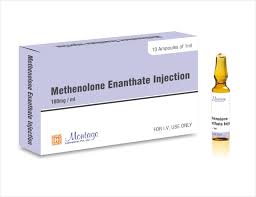
Chapter 4: Health Risks and Safety Concerns at 300mg Dosages
Dose-Dependent Side Effects
Anabolic steroid side effects typically increase with dosage, making 300mg concentrations particularly concerning:
Cardiovascular Risks:
- Lipid profile disruption: Significant reductions in HDL cholesterol and increases in LDL cholesterol
- Blood pressure elevation: Hypertension develops more frequently at higher doses
- Cardiac remodeling: Increased risk of left ventricular hypertrophy
- Endothelial dysfunction: Impaired blood vessel function
Hepatic Considerations:
- Liver enzyme elevation: Even injectable steroids can stress hepatic function at high doses
- Potential hepatotoxicity: Case reports suggest possible liver damage at supratherapeutic doses
- Metabolic processing burden: High doses overwhelm normal metabolic pathways
Endocrine System Impact:
- Profound HPTA suppression: Natural testosterone production may cease completely
- Extended recovery time: Higher doses typically require longer post-cycle recovery
- Permanent alterations: Potential for lasting endocrine changes after high-dose exposure
Psychological and Behavioral Effects
Higher steroid doses correlate with increased psychological disturbances:
- Mood instability: Increased irritability, aggression, or emotional lability
- Cognitive effects: Potential impact on memory, concentration, and executive function
- Dependence potential: Psychological reliance more likely with higher doses
- Sleep disruption: Common at supraphysiological doses
Injection-Site Specific Concerns
The 300mg concentration creates unique injection-related risks:
- Increased PIP: Post-injection pain often intensifies with higher concentrations
- Abscess risk: Higher concentration solutions may increase infection susceptibility
- Nerve damage: Accidental injection near nerves may cause more severe damage with concentrated solutions
- Oil embolism: While rare, higher viscosity solutions increase theoretical risk
Chapter 5: Legal Status and Regulatory Framework
United States Controlled Substances Act
Metenolone enanthate is classified as a Schedule III controlled substance under the Controlled Substances Act. This classification means:
- Prescription requirement: Legal possession requires a valid prescription for approved medical conditions
- Distribution restrictions: Only licensed pharmacies may dispense with proper documentation
- Import prohibition: Bringing into the U.S. without FDA approval and prescription is illegal
- Penalties: Illegal distribution carries penalties up to 10 years imprisonment and $500,000 fines
International Regulatory Variations
Legal status varies globally:
- Canada: Classified as Schedule IV, requiring prescription but with different scheduling
- United Kingdom: Class C drug, illegal to possess or distribute without prescription
- Australia: Schedule 4 substance, prescription-only with strict controls
- European Union: Varies by country, generally prescription-only medications
No country permits non-medical use of methenolone enanthate, and the 300mg concentration specifically lacks approval in all major regulatory jurisdictions.
Law Enforcement Considerations
Individuals should understand enforcement realities:
- Digital surveillance: Online purchases often trigger law enforcement attention
- International shipping: Customs agencies actively intercept illegal pharmaceuticals
- Financial tracking: Payment processing may lead to investigation
- Analog laws: Even if specifically unscheduled, analog statutes may apply
Chapter 6: Quality and Purity Concerns with methenolone enanthate 300mg Products
Underground Laboratory Manufacturing Issues
Products labeled “methenolone enanthate 300mg” almost exclusively originate from unregulated sources with significant quality concerns:
Concentration Accuracy: Independent testing reveals frequent discrepancies:
- Products ranging from 0mg/ml to methenolone-enanthate-300mg-educational/ml despite “300mg” labels
- Batch-to-batch inconsistency within same suppliers
- Deliberate mislabeling of different compounds as methenolone
Sterility Problems: Lack of proper manufacturing controls leads to:
- Bacterial contamination in approximately 8-15% of tested UGL products
- Endotoxin presence from poor manufacturing hygiene
- Particulate matter in improperly filtered solutions
Excipient Safety: Unknown carrier oils and solvents may cause:
- Allergic reactions
- Long-term tissue damage
- Systemic toxicity from improper solvents
Independent Testing Results
Harm reduction organizations that test anonymously submitted samples consistently find:
- Only 60-70% of products labeled “methenolone enanthate” contain any methenolone
- Concentration accuracy within 20% of labeled dose occurs in less than half of samples
- Approximately 15% contain completely different compounds
- 5-10% show dangerous contamination levels
These statistics highlight why methenolone enanthate 300mg products carry exceptional uncertainty beyond their inherent pharmacological risks.
Chapter 7: Harm Reduction Perspectives
If Use Occurs Despite Risks and Laws
Some individuals may proceed despite understanding risks. In such cases, certain practices may reduce (but not eliminate) dangers:
Medical Supervision: Regular blood work, physical exams, and professional monitoring
Dose Minimization: Using the lowest effective dose rather than maximum tolerable dose
Injection Safety: Strict sterile technique, site rotation, and proper needle disposal
Health Monitoring: Tracking blood pressure, lipid profiles, and subjective symptoms
Support Systems: Informing trusted individuals who can assist with emergencies
Recognizing Danger Signs
Users should immediately seek medical attention for:
- Chest pain or breathing difficulties
- Severe injection site reactions (increasing redness, swelling, fever)
- Jaundice (yellow skin or eyes)
- Uncontrollable mood changes or aggression
- Signs of infection or systemic illness
Post-Use Recovery Considerations
Discontinuing high-dose steroid use requires careful management:
- Gradual tapering: Abrupt cessation may exacerbate side effects
- Medical supervision: Endocrine recovery often requires professional management
- Support systems: Psychological support during withdrawal phases
- Patience: Hormonal recovery may take months to years
Chapter 8: Legal Alternatives and Safer Approaches
Evidence-Based Performance Enhancement
Legal, safer approaches often yield comparable results without health or legal risks:
Nutrition Optimization:
- Calorie and macronutrient precision for body composition goals
- Nutrient timing strategies to support training and recovery
- Supplementation with evidence-based ingredients
Training Methodology:
- Periodized programming to maximize adaptation
- Exercise selection based on individual biomechanics
- Recovery integration as part of the training process
Lifestyle Factors:
- Sleep optimization for hormonal health and recovery
- Stress management to control cortisol and support wellbeing
- Consistency over intensity for sustainable progress
Medical Approaches to Hormone Optimization
For individuals with legitimate medical needs:
- Diagnostic testing: Comprehensive hormone panel assessment
- Supervised treatment: Physician-managed hormone replacement when clinically indicated
- Regular monitoring: Ongoing blood work and symptom tracking
- Integrated approach: Combining hormonal treatment with lifestyle interventions
Chapter 9: Resources and Responsible Information Seeking
Reliable Information Sources
When researching complex pharmaceutical topics:
- Medical databases: PubMed, Cochrane Library for peer-reviewed research
- Government agencies: FDA, DEA, NIDA for regulatory information
- Academic institutions: University medical centers for balanced perspectives
- Professional organizations: Endocrine Society, sports medicine associations
Critical Evaluation of Online Information
Assess information sources carefully:
- Credential verification: Are authors qualified medical professionals?
- Citation quality: Do claims reference peer-reviewed research?
- Balance presentation: Are risks and benefits presented proportionally?
- Transparency: Clear disclosure of conflicts of interest or commercial relationships
- Timeliness: Information updated to reflect current medical understanding
Professional Consultation
For personal health decisions:
- Primary care physicians: General health assessment and referrals
- Endocrinologists: Hormone-specific expertise
- Sports medicine specialists: Performance-focused medical guidance
- Mental health professionals: Addressing body image or psychological concerns
Conclusion: Informed Decisions in Complex Contexts
The specific search for “methenolone enanthate 300mg” represents just one point in a much larger landscape of health, legal, and ethical considerations. While pharmacological curiosity is understandable, it must be balanced against substantial real-world risks, legal restrictions, and ethical implications.
Individuals considering any performance-enhancing substance face decisions with multidimensional consequences: health impacts, legal exposure, ethical dimensions, and practical realities. The methenolone enanthate 300mg concentration specifically represents a dosage level outside established medical practice, originating from unregulated sources with significant quality concerns, and associated with proportionally increased health risks.
The most sustainable path to health and fitness goals remains evidence-based training, proper nutrition, adequate recovery, and—when medically appropriate—supervised therapeutic interventions. For those confronting decisions about controlled substances, consulting healthcare professionals and legal advisors provides more complete guidance than any online resource alone.
Ultimately, understanding specific dosages like methenolone enanthate 300mg represents just one component of making fully informed decisions about health, wellness, and personal choices within complex legal and medical landscapes.
