


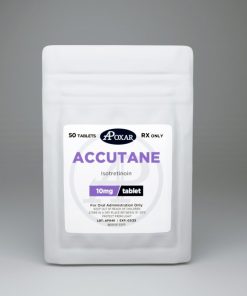
Accutane (Remove Acne) 10mg/50tabs – Apoxar

110 $
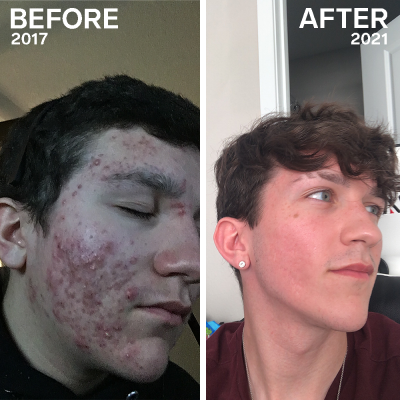
During the steroid cycle there is a high possibility of acne appearance and that completely ruins all the hard work you put into creating lean muscles. Acnes usually appear on the back, chest and arms, exactly on those places you want to show the most! Accutane us here to help because it:
- Has amazing anti-inflammatory abilities;
- Is highly potent and completely eliminates acne;
- Works well with all skin types;
- Is always one step ahead and fights not only consequences but the reason itself.
- Brand: ApoxarSubstance: Accutane – Isotretinoin
Dosage and packing: 10 mg/tab (50tabs)
Accutane for Acne: Complete Guide to Benefits, Results, and Safety
Acne affects millions of people worldwide and often persists beyond the teenage years. While many cases respond to topical creams or oral antibiotics, some forms of acne remain stubborn and emotionally distressing. In such situations, dermatologists may recommend Accutane for acne, a powerful oral treatment known for long-term results.
This comprehensive guide explains how Accutane works, which types of acne it treats, what benefits and risks to consider, and why medical supervision matters. In addition, the article follows SEO and readability best practices so readers can easily find and understand accurate information.
What Is Accutane?
Accutane is the original brand name for isotretinoin, a prescription medication derived from vitamin A. Dermatologists primarily prescribe it for severe or treatment-resistant acne.
Unlike surface-level treatments, Accutane works systemically. Therefore, it targets the root causes of acne rather than just visible symptoms. Because of its potency, Accutane requires careful monitoring and professional oversight.
Why Dermatologists Prescribe Accutane for Acne
Dermatologists typically recommend Accutane when other treatments fail. These may include topical retinoids, benzoyl peroxide, antibiotics, or hormonal therapies. When acne continues to scar the skin or affect mental well-being, Accutane becomes a strong consideration.
Key Reasons for Prescription
-
Persistent cystic or nodular acne
Accutane for acne 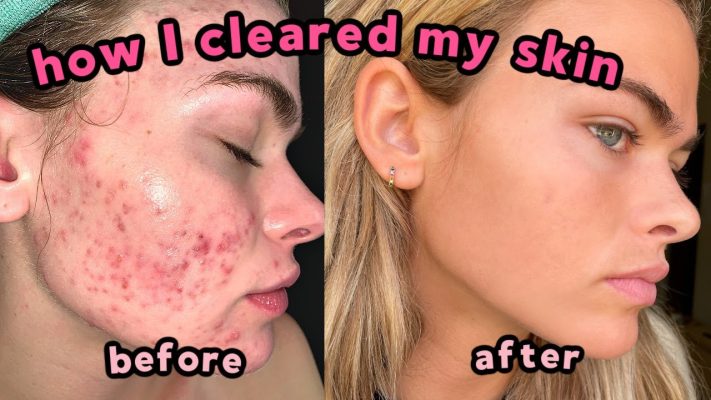
Accutane for acne -
Acne that causes permanent scarring
-
Severe inflammatory breakouts
-
Poor response to conventional therapies
As a result, Accutane often serves as a last-line but highly effective option.
How Accutane Works to Treat Acne
To understand why Accutane is so effective, it helps to know how acne develops. Acne typically results from four main factors:
-
Excess oil (sebum) production
-
Clogged pores
-
Bacterial growth
-
Inflammation
Accutane addresses all four causes simultaneously.
Reduced Oil Production
Accutane significantly shrinks sebaceous glands. Consequently, oil production decreases, which creates an environment where acne-causing bacteria struggle to survive.
Improved Cell Turnover
The medication normalizes skin cell shedding. Therefore, pores clog less frequently.
Reduced Bacterial Growth
With less oil available, acne-causing bacteria decline naturally.
Anti-Inflammatory Effects
Accutane for acne also reduces inflammation, which helps calm painful breakouts.
Because of this multi-action approach, Accutane for acne delivers results that other treatments cannot match.
Types of Acne Accutane Treats
Accutane for acne is not intended for mild acne. Instead, dermatologists reserve it for more serious conditions.
Severe Cystic Acne
Large, painful cysts beneath the skin respond particularly well to isotretinoin.
Nodular Acne
Deep nodules that do not heal easily often improve significantly.
Chronic Acne
Long-term acne that persists for years despite treatment may qualify.
Scarring Acne
When Accutane for acne leaves permanent marks, Accutane may prevent further damage.
Each case requires professional evaluation to determine suitability.
Benefits of Accutane for Acne
When used correctly, Accutane offers several notable benefits.
Long-Term Acne Clearance
Many patients experience long-lasting or permanent improvement after completing treatment.
Reduced Scarring Risk
By controlling severe inflammation,Accutane for acne helps prevent future scars.
Improved Skin Texture
As acne clears, skin texture often becomes smoother and more even.
Psychological Relief
Clearer skin frequently leads to improved confidence and emotional well-being.
Because of these outcomes, Accutane remains one of the most effective acne treatments available.
How Long Does Accutane Take to Work?
Results vary, but most patients notice changes gradually.
Early Phase
During the first weeks, acne may temporarily worsen. However, this reaction often signals that the medication is working.
Mid-Treatment Improvement
By the second or third month, breakouts usually decrease.
Long-Term Results
Clearer skin often appears toward the end of treatment and continues afterward.
Patience is essential, as Accutane works progressively rather than overnight.
Common Side Effects of Accutane
While effective, Accutane for acne can cause side effects. Most are manageable under medical supervision.
Frequently Reported Effects
-
Dry lips and skin
-
Dry eyes
-
Nosebleeds
-
Increased sun sensitivity
These effects occur because oil production decreases throughout the body.
Less Common Effects
-
Headaches
-
Muscle or joint discomfort
-
Temporary hair thinning
Most side effects resolve after treatment ends.
Serious Risks and Safety Considerations
Accutane for acne requires strict safety measures due to potential risks.
Pregnancy Risk
Isotretinoin can cause severe birth defects. Therefore, it is strictly contraindicated during pregnancy. Dermatologists enforce pregnancy prevention programs where applicable.
Mental Health Awareness
Some patients report mood changes. Although research remains ongoing, doctors closely monitor mental well-being during treatment.
Liver and Cholesterol Monitoring
Accutane for acne may affect liver enzymes and lipid levels. Regular blood tests help ensure safety.
These precautions highlight why Accutane must never be used without medical oversight.
Who Should Avoid Accutane?
Accutane for acne may not suit everyone.
It is generally not recommended for:
-
Pregnant or breastfeeding individuals
-
People with certain liver conditions
-
Patients with uncontrolled lipid disorders
-
Individuals unable to commit to monitoring requirements
A dermatologist evaluates risks and benefits before prescribing.
Accutane vs Other Acne Treatments
Understanding comparisons helps clarify Accutane for acne role.
Accutane vs Antibiotics
Antibiotics reduce bacteria temporarily. However, resistance may develop. Accutane offers a more definitive solution.
Accutane vs Topical Retinoids
Topicals work well for mild to moderate acne. Severe cases often need systemic treatment.
Accutane vs Hormonal Therapy
Hormonal treatments help some patients, especially women. Accutane for acne works regardless of hormonal triggers.
Therefore, Accutane stands apart due to its comprehensive and lasting effects.
Lifestyle Adjustments During Accutane Treatment
Medication alone is not enough. Supportive habits improve outcomes.
Skincare Routine
-
Use gentle cleansers
-
Apply moisturizers regularly
-
Avoid harsh exfoliants
Sun Protection
Skin becomes more sensitive. Therefore, sunscreen use is essential.
Hydration
Drinking enough water helps manage dryness.
These habits support comfort and skin health during treatment.
Emotional and Psychological Impact of Acne Treatment
Severe acne often affects self-esteem. As skin clears, many patients report improved mood and social confidence. However, treatment can feel emotionally challenging at times.
Open communication with healthcare providers helps address concerns early. Support systems also play a vital role.
Legal and Ethical Considerations
Accutane for acne is a prescription-only medication in most countries. Its use without medical authorization may violate regulations and pose serious health risks.
Therefore, responsible and lawful access remains essential.
Frequently Asked Questions (FAQ)
Does Accutane permanently cure acne?
Many patients experience long-term remission. However, individual results vary.
Can acne return after Accutane?
Some people may experience mild recurrence, though it is often less severe.
Is Accutane safe when monitored?
Yes. With proper supervision, most patients complete treatment safely.
Can adults use Accutane?
Yes. Adults with severe or persistent acne often benefit.
Alternatives to Consider Before Accutane
Before starting Accutane, dermatologists may explore:
-
Optimized topical regimens
-
Oral antibiotics (short-term)
-
Hormonal therapies
-
Lifestyle and skincare adjustments
In some cases, these options provide sufficient improvement.
Be the first to review “Accutane (Remove Acne) 10mg/50tabs – Apoxar”
Related products

Hair, Skin & Sleep
Hair, Skin & Sleep
Reviews
There are no reviews yet.